

A missing tooth is more than an empty space in a smile. Over time, tooth loss can influence chewing, speech, facial structure and even the way neighbouring teeth bear pressure. For decades, dental implant treatment has offered Australians a durable way to replace missing teeth. But the modern implant procedure is becoming less about placing an implant by clinical estimation and more about designing its position with extraordinary digital precision.
This is where computer-guided dental implants are changing the conversation.
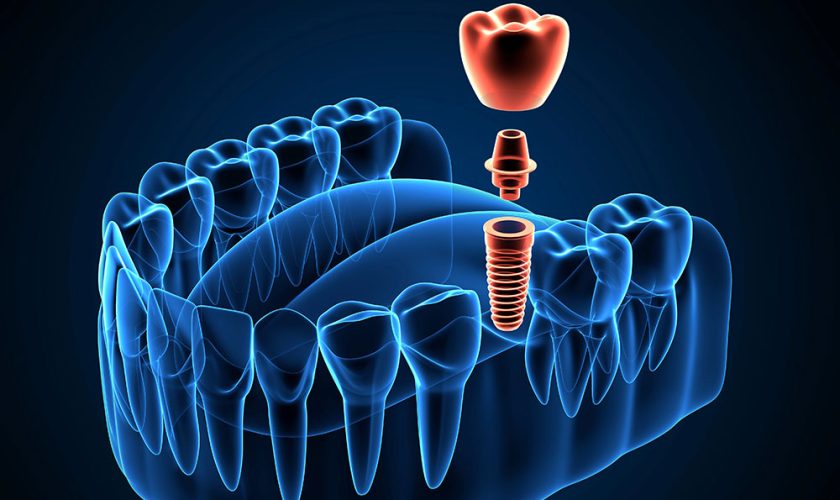
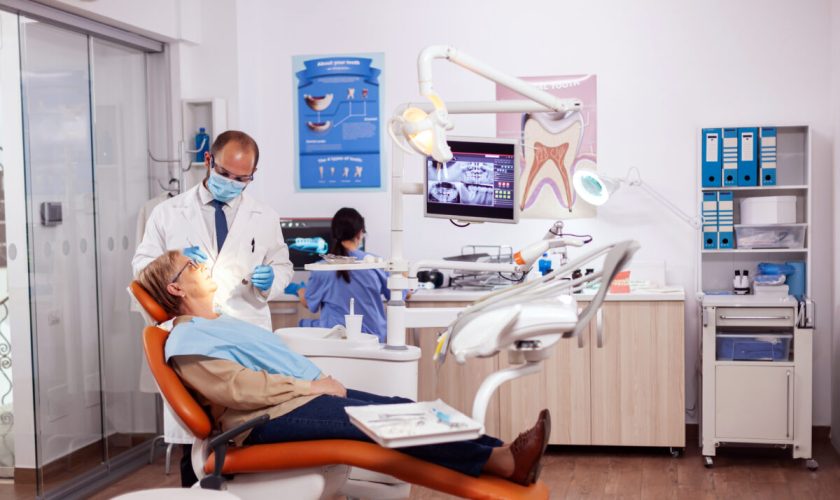
Rather than treating implant placement as an isolated surgical procedure, digital dentistry allows dentists to approach it as a carefully engineered process. Three-dimensional imaging, digital impressions and specialised planning software can work together to create a detailed representation of a patient’s oral anatomy before treatment begins. The result is a more informed pathway from diagnosis to restoration.
From Two-Dimensional Thinking to Three-Dimensional Planning
Traditional dental X-rays remain valuable, but implant planning often benefits from understanding anatomy in three dimensions. Cone beam computed tomography (CBCT) can provide detailed information about the jawbone, tooth roots and important anatomical structures.
This matters because an implant is not simply placed where a tooth once existed. Its position needs to consider bone volume, neighbouring structures, the future crown and the forces generated during everyday biting.
Digital planning enables the dental team to evaluate these relationships before surgery. The intended implant position can be mapped virtually, allowing clinicians to assess angles, depth and spacing with considerably more information than a conventional visual assessment alone.
In this sense, computer guidance does not replace the dentist’s expertise. It gives that expertise a more detailed map.
Designing the Implant Around the Final Smile
One of the most important developments in modern implant dentistry is the movement towards restorative-driven planning.
Instead of asking only, Where can an implant physically fit?, digital workflows encourage a more comprehensive question: Where should the implant be positioned to support the final restoration?
This distinction can influence both function and aesthetics.
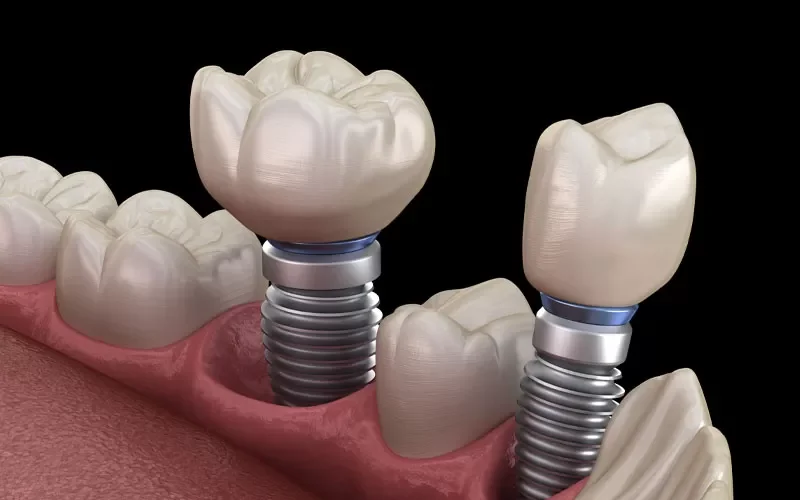
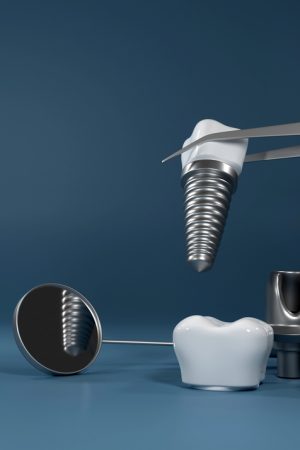
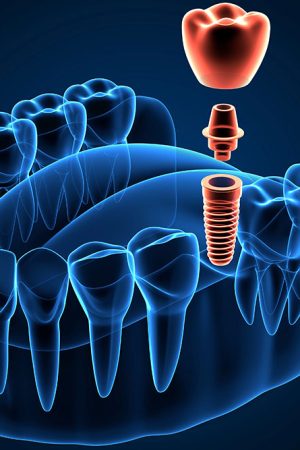
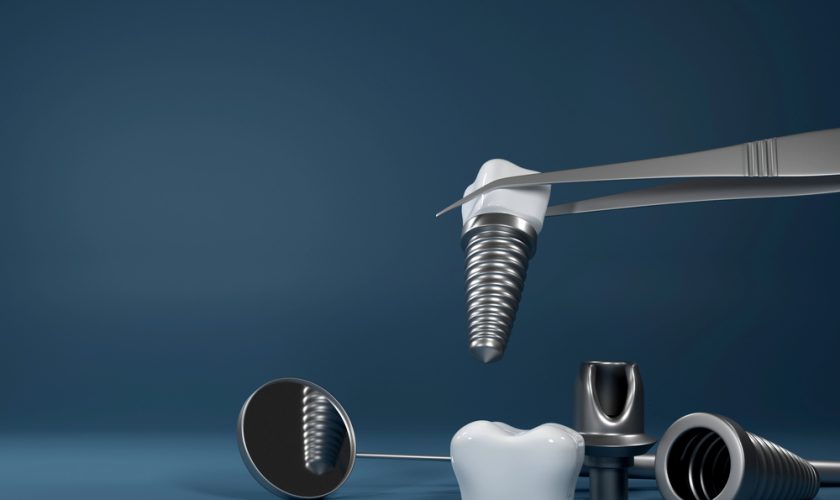
For patients receiving individual teeth implants, the position of the implant can affect the emergence profile of the crown, the appearance of surrounding gum tissue and the relationship between the replacement tooth and neighbouring teeth. Digital planning allows these considerations to be incorporated before surgery rather than discovered later in the treatment process.
For patients requiring multiple implants or full-arch rehabilitation, the same principle becomes even more significant. The final prosthetic design, available bone and desired facial and dental aesthetics all need to work together.
Surgical Guides: Turning a Digital Plan Into a Physical Procedure
Computer-guided implant dentistry can also connect the virtual treatment plan with the surgical procedure through customised guides.
A surgical guide can help direct the placement of an implant according to the digitally planned position. Depending on the clinical approach and individual circumstances, this may assist with controlling the implant’s angulation and depth.
However, guided surgery should not be confused with automatic surgery. Dentistry remains a biological discipline, and every patient’s anatomy responds differently. Bone density, healing capacity, existing infection, gum health and other clinical factors still influence treatment decisions.
The technology is therefore best understood as an additional layer of precision rather than a guarantee of a particular outcome.
Less Guesswork, More Communication
Perhaps one of digital implantology’s less celebrated advantages is communication.
A virtual treatment plan can make complex dental information easier to visualise. Patients may be able to see their anatomy, proposed implant positions and anticipated restorations before treatment begins. This can transform an abstract conversation into something tangible.
For people who feel uncertain about implant treatment, understanding the why behind a procedure can be almost as important as understanding the how.
Digital workflows can also improve communication between clinicians, dental laboratories and restorative teams. When scans, photographs and treatment plans are integrated into a coordinated workflow, everyone involved can work towards the same restorative objective.
Precision Still Needs Human Judgement
Technology can measure. It can be simulated. It can model.
But it cannot eliminate biology.
Successful implant treatment still depends on appropriate diagnosis, careful case selection, healthy oral tissues, sufficient bone or suitable augmentation when required, surgical skill and proper long-term maintenance. A beautifully planned digital implant cannot compensate for untreated periodontal disease or inadequate aftercare.
This is why the most meaningful advancement is not technology alone. It is the combination of technology and clinical judgement.
The Future Is Becoming More Personal
Australian dentistry is moving towards a model in which implant treatment can be increasingly personalised. Digital impressions can reduce reliance on traditional moulds, CBCT imaging can provide three-dimensional anatomical information, and computer software can connect surgical planning with the eventual restoration.
For patients, this represents a subtle but important shift.
The goal is no longer simply to replace what has been lost. It is to reconstruct function, balance and aesthetics with a treatment plan designed around the individual.
The future of implant dentistry may therefore be less about doing more procedures and more about making every decision count.
A missing tooth creates a physical absence, but modern technology gives dentists new ways to understand that absence before attempting to restore it. With careful planning, digital precision and experienced clinical judgement working together, tooth implants can become part of a much larger vision: rebuilding a smile according to the unique architecture of the person behind it.
That is the deeper promise of redefining smiles with technology—not making dentistry less human, but giving human expertise better tools to create thoughtful, precise and personalised outcomes.