


Waking up with a raspy throat, aching joints, and a fever is miserable enough on its own. For anyone living with diabetes, however, a seasonal bug brings an added layer of frustration: a morning glucose reading stubbornly sitting above 240 mg/dL before a single bite of food has touched your lips.
When your immune system goes to war against a rhinovirus or influenza, your body treats the infection as an acute physiological crisis. Even if you have zero appetite and spend the day curled under a blanket, your blood sugar can surge to heights you normally only see after eating half a pizza. Managing this illness-induced volatility requires shifting from your standard daily routine to a focused sick-day protocol.
Why Common Infections Cause Blood Glucose to Surge
Understanding why your numbers spike during an infection is the first step toward regaining control. When a virus takes hold, your adrenal glands flood your bloodstream with counter-regulatory stress hormones, primarily cortisol and epinephrine.
These hormones serve an evolutionary purpose: they mobilize stored energy so your immune system has immediate fuel to fight off pathogens. They prompt your liver to rapidly convert stored glycogen into active glucose and pump it into your circulation. At the same time, cortisol makes muscle and fat cells temporarily resistant to insulin.
This creates a difficult double-bind. Your liver is producing excess sugar around the clock, while your cells are actively blocking insulin from clearing that sugar from your bloodstream. Even if you are eating virtually nothing, your internal fuel reserves will keep your blood sugar elevated until the inflammatory storm begins to subside.
Navigating the Medicine Cabinet: Hidden Sugars and Stimulants
One of the most frequent missteps during a cold occurs in the medicine aisle. Over-the-counter remedies designed to soothe aches and suppress coughs can actively sabotage your glycemic control if you do not examine the fine print.
Liquid Elixirs and Lozenges
Traditional liquid cough syrups, nighttime multi-symptom cold medications, and throat lozenges are frequently packed with high-fructose corn syrup, sucrose, or honey to mask bitter active ingredients. A single standard dose of a conventional cough syrup can deliver 10 to 15 grams of pure, fast-absorbing carbohydrates. If you are taking that dose every four hours, you are essentially drinking liquid sugar around the clock. Always look for formulations explicitly labeled sugar-free, or switch to caplet and tablet forms of the same active ingredients.
Oral Decongestants
Liquid sugars are not the only threat. Stimulant decongestants, specifically pseudoephedrine and phenylephrine, mimic the body’s fight-or-flight response. While they effectively shrink swollen blood vessels in your nasal passages, they also elevate heart rate, raise blood pressure, and trigger an extra release of stored glucose from the liver.
If you are already dealing with stubborn illness-related highs, oral decongestants can drive those numbers higher. Consider relying instead on saline nasal rinses, plain guaifenesin to thin mucus, topical nasal sprays used strictly within recommended time limits, or first-generation antihistamines that do not exert the same stimulant effect.
Monitoring Strategies for Sick Days
When your metabolism is destabilized by illness, passive monitoring is no longer sufficient. Your glucose trends can shift rapidly based on rising body temperatures, dehydration, and medication timing.
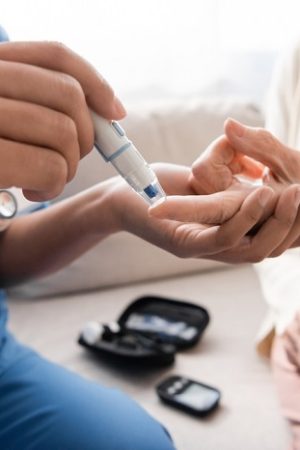
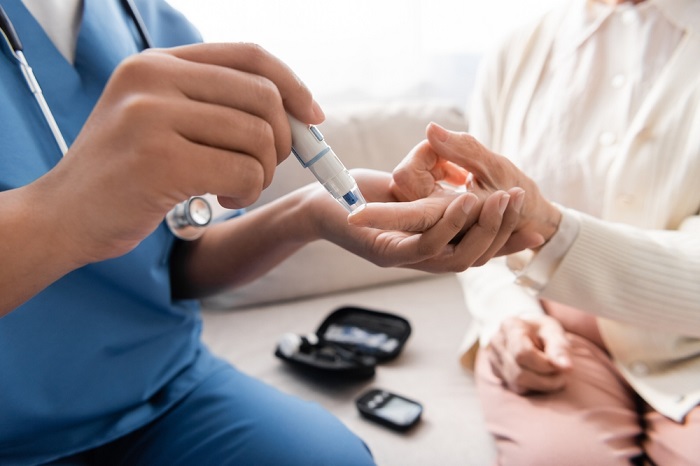
Check your blood sugar every two to three hours, including at least once during the night. If you use a continuous glucose monitor (CGM), remember that severe dehydration can impair the accuracy of interstitial fluid readings. Furthermore, high doses of certain fever reducers, particularly acetaminophen, can interact with older CGM sensor enzymes and create falsely elevated readings. If a sensor reading feels disconnected from how you physically feel, verify it with a standard fingerstick blood glucose meter before administering corrective medication.
Ketone surveillance is just as essential, particularly for those with Type 1 diabetes or advanced insulin-dependent Type 2 diabetes. When your body cannot utilize glucose due to acute insulin resistance, it begins breaking down fat for fuel at an accelerated pace, generating acidic byproducts known as ketones. Test your urine or blood for ketones every four to six hours if your blood sugar stays above 240 mg/dL, or immediately if you experience nausea or persistent vomiting. The presence of moderate to large ketones signals that your body is starving for effective insulin, regardless of what the blood sugar number says.
The Hydration and Nutrition Balancing Act
Dehydration is the quiet accelerator of blood sugar spikes. As glucose levels climb past your renal threshold, your kidneys attempt to dump the excess sugar through frequent urination. If you do not replace those lost fluids, your blood volume drops, concentrating the glucose remaining in your vessels and driving your readings even higher.
Aim to consume roughly eight ounces of fluid every waking hour. When your blood sugar is running high, stick strictly to zero-calorie options:
-
Plain water filtered or infused with lemon peel
-
Clear broths rich in sodium to replenish depleted electrolytes
-
Unsweetened herbal teas such as peppermint or chamomile to calm an irritated stomach
However, a different challenge arises when a fever kills your appetite entirely, or when stomach upset makes solid food intolerable. If your blood glucose begins to drop below your target range due to active background insulin, you must switch tactics. Keep small portions of easily digestible, mild carbohydrates on hand. Sipping on diluted fruit juice, regular ginger ale, or nibbling on saltine crackers provides a controlled trickle of glucose. This prevents hypoglycemia while ensuring your liver is not forced into emergency starvation ketosis.
Adjusting Insulin Without Stacking Doses
The most dangerous instinct when sick is to withhold your daily long-acting or basal insulin because you are not eating full meals. Your basal insulin exists to keep your liver’s baseline glucose output in check. Stopping it during an illness is the quickest route to diabetic ketoacidosis.
Work with the sick-day guidelines previously mapped out by your physician. You will likely find that your body requires larger, more frequent correction boluses of rapid-acting insulin to overcome viral insulin resistance.
The vital rule here is to avoid insulin stacking. Because fever slows gastric emptying and dehydration alters subcutaneous insulin absorption, a correction dose may take significantly longer to show its full effect. Wait at least three to four hours before taking an additional corrective dose unless your medical provider has instructed you otherwise. Stacking doses out of impatience can turn a stubborn high into a sudden, precipitous crash while your energy to treat a low is at its absolute lowest.
When to Seek Emergency Medical Support
A cold or flu usually runs its course in three to seven days, but complications can develop swiftly when metabolic control slips. You should have a clear threshold for when home care ends and hospital intervention begins.
Contact your healthcare provider or head to an urgent care or emergency room if:
-
You cannot keep down fluids or food for more than four hours due to persistent vomiting.
-
Your blood sugar remains above 250 to 300 mg/dL despite administering two consecutive correction doses.
-
Urine test strips show moderate or large ketones that do not decrease after supplemental insulin and aggressive fluid intake.
-
You experience labored, fruity-smelling breath, extreme dizziness upon standing, or profound confusion.
Treating an illness when you have diabetes requires deliberate, proactive management. By aggressively hydrating, dodging hidden sugars in common cold remedies, monitoring your numbers on an accelerated schedule, and letting stress hormones settle, you can guide your body through the bug without letting blood sugar complications take over the recovery process.

