close

October 2025

Dental Care

Titanium in Dentistry: Why Grade 5 Alloys Set the Standard for Implants

Dental implantology is one of the most transformative fields in modern healthcare, restoring not just smiles but also quality of life for millions of patients worldwide. At the center of every successful implant case is material science. The choice of implant material determines whether osseointegration occurs predictably, whether the fixture withstands years of functional loading, and whether clinicians can confidently assure their patients of long-term success.

Among the many materials investigated, titanium alloys, particularly Grade 5 (Ti-6Al-4V ELI), have emerged as the gold standard. This alloy has shaped implant dentistry, allowing manufacturers to design systems that balance strength, biocompatibility, and innovation.

Why Titanium Is Essential in Dentistry

Titanium has been used in medical devices since the mid-20th century. Its appeal lies in a rare combination of properties:

  • Biocompatibility: Titanium forms a stable oxide layer when exposed to oxygen, making it resistant to corrosion and well-accepted by the body.
  • Osseointegration: Discovered by Per-Ingvar Brånemark in the 1950s, titanium’s unique ability to bond directly with bone remains the foundation of modern implantology.
  • Durability: Unlike stainless steel or cobalt-chrome, titanium can withstand the complex biomechanical forces of the oral environment without breaking down.

These qualities explain why titanium continues to dominate implant manufacturing, even as new biomaterials are explored.

CP Titanium vs. Titanium Grade 5

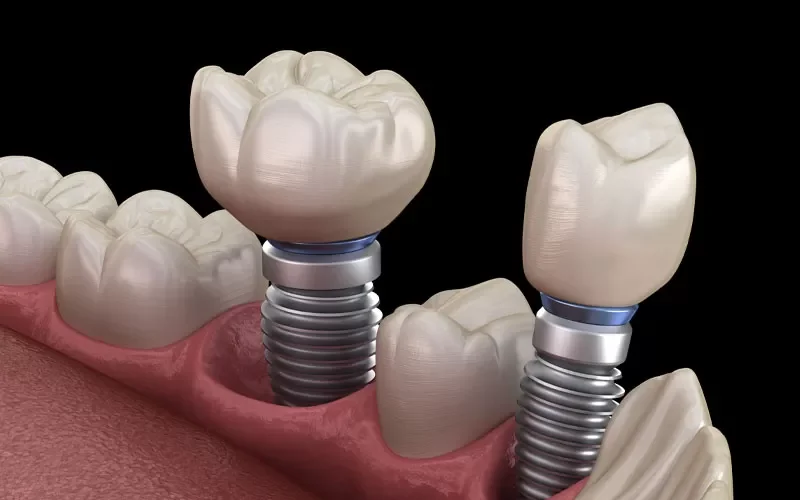
The first dental implants were made from commercially pure (CP) titanium, which remains biocompatible but has limitations in strength. While CP titanium (Grades 1–4) is softer and more ductile, its lower fatigue resistance can make it less suitable for high-load regions, especially in smaller diameter implants. Modern solutions, such as dental implants from GDT Implants, offer improved strength and durability to address these challenges.

Grade 5 titanium alloy (Ti-6Al-4V ELI) changes the equation. By incorporating about 6% aluminum and 4% vanadium, the alloy achieves significantly higher tensile strength and fatigue resistance while maintaining excellent biocompatibility.

Clinical advantages of Grade 5 include:

  • Higher fracture resistance: Reduces the risk of implant failure under heavy occlusal forces.
  • Slimmer implant designs: Enables the use of smaller diameter implants in narrow ridges without compromising strength.
  • Extended longevity: Withstands decades of cyclic loading, especially in posterior regions where stress is highest.

A 2018 study in the Journal of Prosthetic Dentistry confirmed that Grade 5 implants outperform CP titanium under cyclic loading, a condition that closely simulates real-world chewing forces.

How Surface Treatments Enhance Titanium Alloys

Material choice is only half the story. To optimize osseointegration, manufacturers apply surface treatments that alter the micro- and nano-topography of the titanium alloy.

  • SLA (Sandblasted, Large-grit, Acid-etched): Creates a microroughened surface that increases bone-to-implant contact. SLA surfaces are among the most researched, with decades of clinical data supporting their effectiveness.
  • RBM (Resorbable Blast Media): Uses biocompatible blasting particles such as calcium phosphate that dissolve, leaving a clean, moderately rough surface. RBM is particularly valued for soft tissue compatibility and reduced contamination risk.

When combined with the mechanical advantages of Grade 5 titanium, these treatments accelerate early healing and provide the stability needed for advanced protocols, including immediate and early loading.

Clinical Applications of Grade 5 Titanium Implants

The strength and versatility of Grade 5 titanium make it suitable across a wide range of clinical scenarios:

  • Anterior esthetic cases: Allows for smaller diameter implants that minimize invasiveness while preserving strength.
  • Posterior restorations: Withstands high occlusal forces, reducing fracture risk in molar regions.
  • Full-arch restorations: Supports immediate loading protocols when paired with SLA-treated surfaces.
  • Compromised bone sites: Tapered designs in Grade 5 titanium offer stability even in softer bone densities.

A systematic review published in Clinical Oral Implants Research reported success rates exceeding 95% at 10 years when titanium implants were combined with modern surface treatments and proper surgical protocols.

Why Grade 5 Remains the Gold Standard

Although ceramic implants and hybrid materials are gaining attention, long-term data still overwhelmingly support titanium, particularly Grade 5, as the most reliable implant material available today.

Key reasons include:

  • Extensive clinical validation spanning decades
  • Ability to support innovative designs like platform switching and conical connections
  • Compatibility with regenerative procedures such as GBR and PRF protocols
  • Proven long-term survival rates in diverse patient populations

This balance of strength, adaptability, and biocompatibility explains why titanium Grade 5 remains the default choice for implant manufacturers and clinicians alike.

Looking Ahead: Innovation Rooted in Titanium

Future research may refine surface treatments further, exploring nanostructures and biomimetic coatings that mimic natural bone. Digital workflows will also continue to integrate seamlessly with titanium implant systems, from guided surgery to CAD/CAM prosthetics. Yet at the core, titanium alloys, especially Grade 5, provide the foundation for innovation.

Clinicians seeking predictable results often select titanium-based systems like the, which combine Grade 5 alloy strength with advanced SLA and RBM surface treatment options. These systems are engineered to deliver reliable osseointegration and long-term success, case after case.

Final Takeaway

In implant dentistry, material matters. CP titanium opened the door to osseointegration, but titanium Grade 5 established the standard of care. Its superior mechanical strength, compatibility with advanced surface treatments, and proven clinical performance make it indispensable in modern practice.

For clinicians and patients alike, choosing Grade 5 titanium implants means choosing a solution engineered for stability, durability, and long-term success.


read more
Health

Quick Access to Medical Care While Traveling in Patong

Traveling to Patong offers a wonderful mix of vibrant street life, beautiful beaches, and rich culture. While you plan your exciting activities and taste the local cuisine, it is also wise to consider your health and safety. Understanding how to get medical help quickly can provide peace of mind, letting you fully enjoy your trip. The local healthcare system is well-prepared for visitors, so getting assistance is straightforward if you know where to go.

Finding a doctor in a new place can feel challenging, but Patong has numerous facilities available for tourists. From minor issues like sunburn or an upset stomach to more significant concerns, you can find professional help. A good first step is to locate a reputable Phuket medical clinic near where you are staying. These clinics are designed to handle common travel-related health problems and can offer prompt attention. Many have staff who speak English, which makes communication much easier.

Before you even leave home, it is a good idea to have travel insurance. This will cover the costs of any medical treatment you might need. Keep your insurance details with you at all times. In Thailand, it is common to pay for medical services upfront and then claim the costs back from your insurer. For this reason, having copies of all your documents, including your passport and insurance policy, is very important when visiting a medical facility.

What should you do if you feel unwell? For general health issues, walk-in clinics are your best option. They can treat a range of conditions and are usually open for extended hours. You can find them throughout Patong, often located in central areas frequented by tourists. They provide a convenient way to see a doctor without a long wait. Pharmacists in Thailand are also very knowledgeable and can offer advice and over-the-counter remedies for simple ailments. Pharmacies are easy to spot and are plentiful in Patong.

In case of a serious medical event, you should go directly to a hospital. Patong has hospitals equipped to handle emergencies and provide more extensive care. You can get to a hospital by taxi or by calling for an ambulance. The emergency service number in Thailand is 1669. It is helpful to save this number in your phone. Hospital emergency departments are open 24/7 and are staffed with skilled medical professionals who can provide immediate attention.

Preparing a small first-aid kit can also be very useful. Include items like plasters, antiseptic wipes, pain relief tablets, and any personal medication you require. This simple preparation can help you manage minor scrapes or headaches on your own, saving you a trip to a clinic. By being prepared and knowing your options, you can ensure that any health issue is just a small interruption to an otherwise amazing holiday in Patong.

read more
Health

How Tailored Depression Treatments Can Transform Lives

Depression affects many Australians, touching lives in cities and rural communities across the country. While the experience can feel isolating, effective support is available. A one-size-fits-all approach to mental health is seldom the most effective. Instead, personalised treatment plans offer a more precise and compassionate way to manage symptoms and improve wellbeing.

Understanding that each person’s experience with depression is unique is the foundation of modern mental healthcare. Factors like personal history, lifestyle, and the specific nature of one’s symptoms all play a part in how depression manifests. This is why a tailored strategy, which might include specific types of therapy for depression, is so important for achieving positive, long-term outcomes. The right plan respects individual needs and adapts as a person progresses.

Creating an individualised treatment plan often starts with a comprehensive assessment by a qualified health professional, such as a GP or psychologist. This evaluation helps to understand the full picture of a person’s mental health. From there, a combination of approaches may be recommended. This could involve psychological therapies, lifestyle adjustments, and in some cases, medication. The goal is to build a supportive structure that addresses a person’s specific challenges.

Psychological therapies, often called talking therapies, are a central component of many treatment plans. Cognitive Behavioural Therapy (CBT), for instance, helps people identify and change unhelpful thinking patterns and behaviours. Other approaches like Interpersonal Therapy (IPT) focus on relationship issues that may contribute to depressive symptoms. For many in Australia, accessing these services is becoming easier through initiatives like Medicare rebates for mental health treatment plans.

Lifestyle changes also have a profound impact. Regular physical activity, a balanced diet, and good sleep hygiene are consistently shown to support mental wellness. A healthcare provider can help integrate these changes into a person’s routine in a manageable way. Simple adjustments, like a daily walk or setting a consistent bedtime, can complement formal treatments and give individuals a sense of control over their health.

Medication can be another useful element for some individuals, particularly for moderate to severe depression. Antidepressants work by helping to correct chemical imbalances in the brain. A doctor will carefully consider which medication is most suitable based on a person’s health profile and specific symptoms, monitoring its effectiveness and managing any side effects.

Ultimately, a tailored approach empowers people. It affirms that their experience is valid and that their treatment should be as individual as they are. By combining professional guidance with personalised strategies, it is possible not only to manage depression but to build a foundation for lasting mental health and a fulfilling life. If you are struggling, speaking to a GP is a good first step towards finding the support that is right for you.

read more
Health

Why Transparency in Healthcare Purchasing Matters More Than Ever

For years, healthcare providers have faced a common frustration: the lack of transparency in procurement. Pricing is often hidden behind distributor contracts, leaving clinics uncertain about the true cost of materials. Delivery timelines can be unclear, and product availability may change without notice. These challenges not only drive up costs but also complicate planning for providers who need predictability to deliver patient care.

Dentistry, however, has begun to shift away from this opaque model. With the rise of digital procurement platforms, dental professionals now have access to clear pricing, reliable availability, and a more streamlined ordering process. This transparency benefits not only clinics but also laboratories and, ultimately, patients. It also offers important lessons for the wider healthcare sector.

The Hidden Costs of Opaque Procurement

Traditional procurement models are often dominated by distributors who act as middlemen between manufacturers and clinics. While distributors can provide valuable services, their systems are rarely transparent. Many providers are locked into contracts that obscure the true price of supplies.

Consider the following challenges:

  • Price inconsistency: Different buyers may pay vastly different prices for the same item, depending on negotiated contracts.
  • Limited visibility: Clinics may not know if products are back-ordered until after an order is placed.
  • Budgeting difficulties: Without clear, upfront pricing, practices struggle to plan their expenses accurately.

These issues create inefficiencies and increase the financial strain on providers. In some cases, they even lead to treatment delays when supplies are unavailable or arrive late.

How Dentistry Leads the Way

Dentistry has embraced digital procurement faster than many other specialties. Online platforms now allow practices to browse products, view transparent pricing, and order directly without hidden layers of negotiation. This shift has brought several key benefits:

  1. Clear pricing structures: Clinicians know exactly what they are paying before they order, making budgeting far easier.
  2. Improved inventory planning: Real-time product availability reduces the risk of ordering items that are out of stock.
  3. Faster decision-making: With transparent information at their fingertips, dentists can compare products and choose the best fit quickly.
  4. Reduced administrative burden: Digital procurement eliminates many of the manual steps once required to secure supplies.

By moving away from opaque distributor-driven models, dentistry has created a procurement process that is both more efficient and more predictable.

Why Transparency Matters Beyond Dentistry

The lessons from dentistry apply across healthcare. Hospitals, surgical centers, and private practices all depend on reliable supplies to maintain patient care. Lack of transparency creates unnecessary risks in these settings.

When providers cannot access clear pricing or product availability, several problems emerge:

  • Wasted time: Staff spend valuable hours chasing down pricing or stock information.
  • Financial inefficiency: Clinics may overpay for products without realizing it.
  • Patient impact: Delays in treatment can occur if supplies arrive late or in insufficient quantities.

Greater transparency solves these issues by creating a procurement process that is fairer, faster, and more reliable.

A Real-World Example of Transparent Procurement

WholeDent illustrates how transparency can transform procurement. As a global e-commerce platform for dental supplies, it provides clear, upfront pricing on thousands of products. Clinics and labs know exactly what they are paying, with no hidden contracts or surprise charges.

In addition, WholeDent emphasizes real-time availability and compliance with international standards. For example, a clinic seeking restorative composites can browse WholeDent’s restorative collection and instantly see product details, pricing, and shipping options. This transparency allows clinicians to plan more effectively and avoid disruptions in patient care.

By combining a wide catalog with clear terms, WholeDent offers a model of procurement that prioritizes trust and efficiency.

The Bigger Picture: Healthcare Transparency and Trust

Transparency in procurement is more than just a financial issue—it directly affects trust. When providers have confidence in their supply chains, they can focus on what matters most: patient outcomes. Transparent systems also improve collaboration between clinics, labs, and manufacturers by creating shared expectations about cost, availability, and delivery.

For patients, the benefits are equally important. Transparent supply chains ensure that treatments are not delayed, costs remain manageable, and quality standards are upheld. In this way, procurement transparency indirectly enhances patient safety and satisfaction.

The Future of Transparent Procurement

As digital transformation continues, procurement systems will become even more transparent and efficient. Several emerging trends are worth noting:

  • AI-driven forecasting: Artificial intelligence will help predict clinic supply needs, ensuring stock is available before it runs out.
  • Blockchain verification: Blockchain technology will confirm the authenticity and traceability of products, further strengthening trust.
  • System integration: Procurement platforms will increasingly connect with electronic health records and clinic management software, creating seamless workflows.

Dentistry has already shown that these innovations are not only possible but highly effective. Other healthcare specialties can benefit by adopting similar approaches.

Conclusion

The need for transparency in healthcare procurement has never been greater. Traditional systems with hidden pricing and limited visibility create inefficiencies, increase costs, and put patient care at risk. Dentistry’s embrace of digital procurement shows that a better model is possible; one built on clarity, reliability, and trust.

Platforms like demonstrate how transparent procurement works in practice. By offering upfront pricing, compliance-focused products, and reliable delivery, WholeDent provides a blueprint for the future of healthcare supply chains.

For providers, the lesson is clear: transparency is not just a convenience, it is a necessity. By embracing it, clinics and hospitals can build procurement systems that are efficient, trustworthy, and resilient enough to handle tomorrow’s challenges.

read more
Health

How Hair Restoration Can Boost Confidence and Transform Your Look

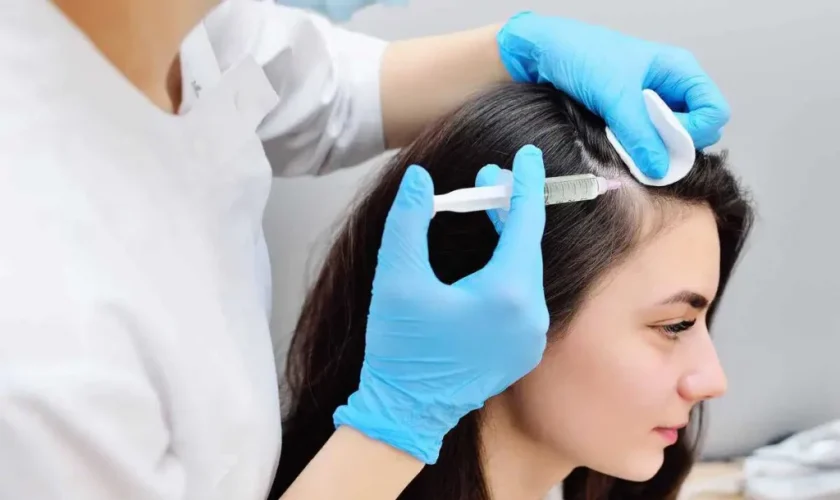
Hair loss can have a profound effect on a person’s self-perception and confidence. For many, hair is closely tied to identity and youthfulness, and experiencing thinning or baldness can be a distressing process. Modern hair restoration offers effective solutions that can help individuals regain a fuller head of hair, leading to a renewed sense of self-assurance.

These procedures have advanced considerably, offering natural-looking results that were once difficult to achieve. In Thailand, a growing number of people are exploring these options. Consulting with a reputable hair transplant clinic is the first step for anyone thinking about treatment, as professionals can provide a thorough assessment and explain the available methods. This initial consultation helps set realistic expectations for what can be accomplished.

The decision to undergo a hair restoration procedure is a personal one, often motivated by the desire to feel more comfortable and confident in one’s appearance. The psychological benefits can be as substantial as the physical changes, helping people to feel less self-conscious in social and professional settings. It allows individuals to present themselves to the world in a way that feels more aligned with their inner sense of self.

The Psychological Impact of Hair Regrowth

The connection between hair and self-esteem is well-documented. When hair begins to thin, it can make people feel older than they are or less attractive. This can lead to social withdrawal or a constant preoccupation with concealing the hair loss. The process of restoring hair can reverse these feelings. As new hair grows in, many people report a significant boost in their overall mood and confidence.

This renewed confidence often extends into many areas of life. People may feel more comfortable socializing, more assertive at work, and more at ease when meeting new people. The change is not simply cosmetic; it is about reclaiming a part of one’s identity. This positive shift in self-image is one of the most frequently cited benefits by those who have undergone successful restoration procedures.

Modern Hair Transplant Techniques

Today’s hair restoration procedures are sophisticated and minimally invasive. The two most common methods are Follicular Unit Transplantation (FUT) and Follicular Unit Extraction (FUE). Both techniques involve moving healthy hair follicles from a donor area (typically the back or sides of the head) to the balding or thinning areas.

With FUE, individual follicular units are extracted one by one, leaving minimal scarring. This method is popular in Thailand due to its precision and quicker recovery time. The transplanted hairs are permanent and will continue to grow naturally in their new location. The results develop gradually over several months, which allows for a subtle and natural-looking transformation. This modern approach ensures that the final appearance is consistent with a person’s age and facial structure, creating a harmonious and refreshed look.

read more
Health

How Regular Massage Can Help Counter the Effects of a Busy Lifestyle

Long hours at a desk, constant screen time and an always‑on culture take a toll on the body and mind. Regular massage sessions offer a practical way to unwind and reset. A skilled therapist uses techniques such as Swedish, deep tissue or Thai methods to release tension and improve circulation. The act of taking time for yourself also signals to the mind that rest is important, which can improve mood and energy levels. A massage spa Plano and nearby areas cater to professionals looking for a quick escape from daily pressures.

Physical and Mental Benefits

Massage therapy is more than a luxury. Evidence suggests that it can help with a range of conditions. WebMD notes that massage benefits extend past relaxation and may improve sleep, immune function and even help with digestive disorders. Studies have shown that targeted work can alleviate back pain, reduce headaches and improve joint function. For people with fibromyalgia or arthritis, regular sessions may lessen pain and stiffness. By promoting blood flow and lymphatic drainage, massage also supports recovery after exercise and boosts the immune system.

Highlights of what a good massage can do include:

  • Reduce stress hormones – Massage can lower cortisol levels and encourage the release of endorphins, helping you feel calmer and more balanced.
  • Ease muscle tension – Focused pressure loosens tight muscles and fascia, relieving discomfort from repetitive motions or poor posture.
  • Improve circulation – Increased blood flow delivers oxygen and nutrients to tissues, promoting healing and boosting energy.
  • Enhance sleep quality – Relaxation techniques help quiet the mind and prepare the body for deeper, more restorative sleep.
  • Support mental clarity – By reducing pain and encouraging relaxation, massage can enhance focus and productivity.

Finding the Right Spa

When booking a massage spa in plano, consider what your body needs. For general relaxation, Swedish or aromatherapy sessions may be ideal. If you carry deep muscle tension from sports or physical work, a deep tissue or sports massage could be more effective. Thai massage combines stretching and compression to improve flexibility and energy flow, while hot stone or herbal compress treatments offer warmth and soothing scents. A reputable spa will offer a consultation to match you with the best therapy for your lifestyle.

Making Massage Part of Your Routine

To counteract the effects of a hectic schedule, consistency is key. Scheduling regular appointments encourages your body to maintain its newfound flexibility and reduced stress levels. Many people find that a monthly or bi‑weekly session helps manage chronic conditions and prevents tension from building up. Combining massage with other wellness practices such as stretching, mindfulness and proper ergonomics amplifies the benefits. As part of a holistic approach to self‑care, regular massage can be a simple yet powerful tool to keep your busy life from taking a toll on your wellbeing.

Incorporating massage into a broader wellness plan that includes stretching, ergonomics and mindful breaks makes it even more effective. Each session becomes part of a larger commitment to wellbeing rather than an occasional indulgence.

read more