
close

September 2025

Health

Essential Tips for Preparing a DVA Mental Health Claim

Preparing a Department of Veterans’ Affairs (DVA) mental health claim can feel like a significant task. It requires organisation and a clear understanding of the process. The goal is to provide the DVA with all the necessary information to make a fair and timely decision on your entitlements. This process is a pathway to getting the support you need for conditions linked to your service.

Successfully preparing your submission is fundamental to the outcome. Many find the process of lodging veteran mental health claims to be complex. Breaking it down into manageable steps can help reduce stress and ensure your application is as strong as possible. This involves gathering evidence, getting a diagnosis, and clearly linking your condition to your time in the Australian Defence Force.

A well-prepared claim clearly shows the connection between your service and your mental health condition. Taking the time to gather comprehensive documentation from the start can make a substantial difference. Let’s explore some practical tips to help you prepare your claim effectively.

Get a Formal Diagnosis

Before you can claim, you need a formal diagnosis from a qualified medical professional. This should be a psychiatrist or a GP with an interest in mental health. Your doctor needs to provide a report that clearly diagnoses your condition using the Diagnostic and Statistical Manual of Mental Disorders (DSM-5). The report should state your condition and explain how it affects your daily life. This diagnosis is the foundation of your entire claim, so ensure it is thorough and accurate.

Link Your Condition to Your Service

One of the most important parts of your claim is establishing a connection between your mental health condition and your service. This is often called establishing liability. You will need to provide a statement that details the specific events or the nature of your service that you believe caused or worsened your condition. Be specific about dates, locations, and the duties you performed. Statements from friends, family, or fellow service members who witnessed changes in you can also support this connection.

Gather Comprehensive Medical Evidence

Your claim needs to be supported by solid medical evidence. This includes more than just your initial diagnosis. Collect all relevant medical records, treatment histories, and reports from psychologists, psychiatrists, or counsellors you have seen. This evidence should show a timeline of your condition, from its onset to your current state. The more detailed your medical history, the clearer the picture you present to the DVA. This documentation helps to show the full impact the condition has had on your life since your service.

By following these tips, you can build a comprehensive and well-supported DVA mental health claim. Remember to keep copies of everything you submit for your own records.

read more
Dental Care

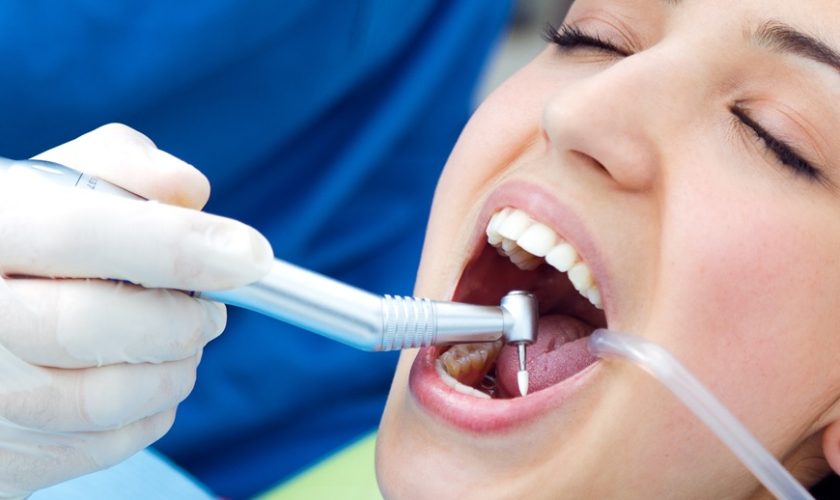
Modern Dentistry: How Technology Is Changing Care

From the exam room to the lab, dentistry is changing quickly. New tools help dentists diagnose a dental problem sooner, more accurately treat the issue, and shorten and relieve the appointment experience (for dentists and patients). These developments lead to safer treatments, clearer explanations, and healthier smiles; for everyone!

Digital X-Rays Explained

Modern x-ray systems are digital, using a sensor instead of film, to provide clear, defined images almost instantly. Because they are digital, the images can be enlarged, colorized, and securely shared with another dentist to obtain a second opinion. Follow https://www.healthline.com/health/dental-x-rays for more details.

In Family Dentistry, time is of the essence and instant imaging accelerates preventive dentistry by identifying very small cavities and changes in bone quality that could become larger issues. Images appear nearly immediately, which saves time in the chair.

  • Radiation exposure is lower than with traditional film.
  • Dentists can vary contrast, and enlarge, or zoom images for diagnosis.
  • The files can easily integrate with an electronic record, and sharing the file with third parties is easy.

How 3D Imaging Improves Treatment

Three-dimensional imaging, commonly through a cone-beam CT, adds depth to diagnosis. Rather than guess from flat images, the clinician can examine roots, nerves, and jaw structures from all angles. This enables even more accurate and enhanced performance in restorative dentistry, from planning for dental implants, to producing a crown to fit a patient’s natural bite. Along with restorative dentistry, 3D imaging allows for airway and joint evaluation, enhancing the evaluation process and the decision-making process, resulting in more accuracy regarding a patient’s function.

When a dentist maps a case in 3D, the treatment plan becomes more predictable. Surgical guides can be printed, allowing for implant placement with millimeter accuracy. Additionally, orthodontic planning has improved outcomes as tooth movement is better modeled in the context of the surrounding bone to increase stability. All of this combined—precise treatment, less unexpected outcomes, fewer adjustments chair-side, etc.—contributes to a more targeted approach to care.

Benefits of Laser Dentistry

Dental lasers have replaced a large number of traditional drills and scalpels with light energy. Lasers can be utilized to reshape gum tissue, disinfect pockets, and assist in cavity treatment, often with less bleeding and swelling. In the case of early lesions, lasers may perform better in conserving more natural tooth than conventional clinical solutions, and they are complementary to modern fillings that bond on a microscopic level to enamel and dentin.

  • A soft-tissue procedure is gentler and heals faster.
  • There will be a reduced requirement for numbing for selected treatment.
  • The reduction of bacteria aids in gum disease treatment, improving the quality of the tissue.
  • Precision cuts will improve comfort and cosmetic outcomes.

Technology in Cosmetic Procedures

Cosmetic dentistry has evolved into an art, now highly responsive to science and data. Through the utilization of an intraoral scanner, the provider can create a very precise 3D model of the patient’s mouth and teeth. The scanner replaces the mess of taking impressions. With the model, the labs can develop veneers and crowns that match the color and contour, while the software allows for viewing changes prior to touching any teeth. The patient has an opportunity to inquire about the design of their newly designed smile on a visual screen and move forward with the changes to their restoration in-office, eliminating uncertainty and disappointment.

Chairside milling (click here for more) and the refinement of ceramics allows for production of lifelike restorations during a patient visit instead of waiting days. Shade-matching devices will help reproduce a natural translucency under varying light. The treatment is more conservative, and we retain the natural enamel (tooth) material whenever possible. It is a combination of all of these advancements that will contribute to elevating outcomes while decreasing time to reveal.

The Future of Dental Care

What is next is going to make dentistry more personal and reactive to patient needs. AI-driven screening tools are being developed to potentially flag inconspicuous, tiny patterns on images that are easily missed by the human eye. The future of appointments for designated triage and follow-ups (after initial consultation) will rely more on teledentistry so patients have quicker access to trusted advice.

  • Smart toothbrushes and smartphone apps will eventually develop a relationship between a patient’s everyday habits to real-time preventive care data. Reports and observations may help reinforce a patient’s habits and then conversely be evaluated.
  • 3D printing will expand from traditional models to surgical guides and intermediate tooth structure to enhance accuracy of care.
  • Materials science will continue to push the bounds of minimally invasive dentistry with stronger materials that are tooth-like.

As each innovation evolves and matures, we can expect care to feel easier and even more accurate, less guess, more clarity, and ultimately health. Dentistry really does not just keep pace with technology; it uses technology to provide better dental outcomes for every smile.

read more
Dental Care

Private Label Dental Supplies: A Growth Strategy for Distributors and Labs

In an increasingly competitive dental industry, standing out as a distributor or laboratory is more challenging than ever. Clinics and patients expect not only reliable products but also strong brand credibility, and many businesses struggle to differentiate themselves while keeping costs under control.

One of the fastest-growing strategies for building visibility and trust is private labeling. By launching a custom-branded line of dental implants, abutments, and tools, distributors and labs are turning commodity supplies into premium-branded solutions — all without investing in expensive in-house manufacturing.

Why Private Label Matters in Dentistry

Private label isn’t just a trend; it’s a proven business model across industries, from consumer goods to pharmaceuticals. In dentistry, the benefits are even more pronounced:

  • Brand Recognition
    Having your own branded line strengthens your reputation and helps build long-term customer loyalty. When clinicians recognize your brand on packaging and catalogs, it establishes authority and consistency.
  • Higher Margins
    Private label products allow distributors and labs to capture more value compared to reselling brand-name supplies. By controlling the brand, you gain better flexibility in pricing and profit margins.
  • Control Over Design & Packaging
    Custom branding — from logos and labels to packaging, brochures, and marketing materials — ensures your products align perfectly with your company’s identity. This creates a polished, professional image that elevates your standing in the market.

How OEM Manufacturers Enable Growth

The challenge for most distributors and labs is that they lack the capacity to manufacture implants and components themselves. This is where OEM dental suppliers play a pivotal role. By managing the design, production, and packaging process, OEM partners enable businesses to focus on what matters most: marketing, sales, and building relationships with customers.

Modern OEM services are highly flexible. A project can start from something as simple as an STL file and quickly become a fully packaged implant system. Options such as SLA and RBM surface treatments, titanium anodizing, and bulk production runs allow private-label products to match the performance and appearance of the industry’s leading brands.

A Competitive Edge for Distributors and Labs

Private label products offer more than just cost savings. For distributors, they’re a way to establish independence — no longer relying solely on selling someone else’s products at slim margins. For labs, they present an opportunity to provide exclusive restorative or prosthetic components that differentiate their services from competitors.

The beauty of the private label model is its scalability. Whether you’re launching a single line of abutments or building a full implant portfolio, OEM suppliers can adjust manufacturing volumes to meet your growth stage. This flexibility ensures that even smaller distributors or labs can benefit from the same branding opportunities as larger competitors.

Partnering for Success

The private label model is only as strong as the manufacturing partner behind it. That’s why choosing the right OEM supplier is essential. End-to-end partners provide not only the technical expertise in precision manufacturing but also the design and branding support needed to create a complete, market-ready product line.

For dental businesses seeking to elevate their market presence, private label solutions have become a proven path to growth. They offer independence, stronger branding, and better margins — all while maintaining the quality and performance clinicians expect.

If you’re considering taking the next step, explore the opportunities offered by comprehensive private label dental supply services, designed to help distributors and labs build their own successful brands.

read more
Exercises

Advanced Exercise Strategies for Optimal Health and Performance

In modern fitness, exercises are no longer just routines for weight loss or general wellness. Advanced exercise strategies now focus on maximizing physical performance, enhancing longevity, preventing chronic diseases, and improving mental resilience. Understanding these advanced concepts empowers individuals to optimize their workouts and achieve specific health outcomes beyond the generic “stay active” advice.

1. Periodization for Maximum Performance

Periodization is a structured approach to training that varies intensity, volume, and exercise type over time to achieve peak performance while minimizing injury risk.

Key elements include:

  • Macrocycles: Long-term planning, typically over a year, that targets overall fitness goals.

  • Mesocycles: Medium-term phases lasting weeks to months that focus on specific attributes such as strength, hypertrophy, or endurance.

  • Microcycles: Short-term cycles of one week to ten days, detailing exact workouts and recovery strategies.

  • Deloading phases: Scheduled periods of reduced intensity to prevent overtraining and promote recovery.

Periodization allows athletes and fitness enthusiasts to systematically improve strength, stamina, and mobility without plateauing.

2. Functional Training for Everyday Strength

Functional exercises replicate movements used in daily life or sports, emphasizing multiple muscle groups, balance, and coordination.

Examples include:

  • Kettlebell swings: Enhancing hip hinge mechanics and core stability.

  • Medicine ball throws: Improving rotational strength and explosive power.

  • Single-leg squats: Boosting balance and joint stabilization.

  • TRX or suspension training: Promoting bodyweight resistance with full-body integration.

Functional training strengthens muscles synergistically, reducing injury risk and improving athletic and daily performance.

3. High-Intensity Interval Training (HIIT) and Metabolic Conditioning

HIIT combines short bursts of maximum effort with recovery periods, promoting cardiovascular efficiency, fat metabolism, and endurance.

Benefits of HIIT:

  • Time-efficient fat burning: Even brief sessions can significantly improve metabolic rate.

  • Cardiovascular improvements: Enhances VO2 max and heart health.

  • Hormonal benefits: Stimulates growth hormone release, aiding recovery and lean muscle maintenance.

  • Adaptability: Can be applied to running, cycling, rowing, or bodyweight circuits.

For advanced trainees, metabolic conditioning extends HIIT principles, combining strength and cardio to improve both anaerobic and aerobic capacity.

4. Mobility and Joint Health

Beyond strength and endurance, advanced exercisers prioritize joint mobility and range of motion, which support long-term performance and prevent injury.

Strategies include:

  • Dynamic warm-ups: Movements like hip circles, shoulder openers, and ankle mobility drills prepare joints for activity.

  • Active stretching: Engaging muscles during stretches improves flexibility without compromising stability.

  • Myofascial release: Foam rolling and massage target muscle tightness and improve circulation.

  • Functional yoga flows: Enhancing joint health while promoting balance, coordination, and core strength.

Maintaining mobility ensures sustainable high-intensity training and reduces the likelihood of chronic musculoskeletal issues.

5. Strength Training for Longevity

Strength training is no longer just about aesthetics; it is a cornerstone of longevity and metabolic health.

Advanced approaches include:

  • Compound lifts: Squats, deadlifts, bench presses, and pull-ups activate multiple muscle groups for maximum efficiency.

  • Progressive overload: Gradually increasing resistance challenges muscles and bones to adapt, enhancing strength and density.

  • Periodized strength cycles: Alternating high-load, low-rep phases with lighter, high-rep sessions balances strength and muscular endurance.

  • Eccentric-focused training: Slowing the lowering phase of movements stimulates muscle growth and tendon resilience.

Research indicates that regular strength training reduces sarcopenia risk, improves metabolic rate, and supports cardiovascular health, even in older adults.

6. Neuromuscular Training and Balance

Advanced exercise regimens increasingly target neuromuscular efficiency, improving coordination, reaction time, and proprioception.

Key components include:

  • Agility ladders and cone drills: Enhance footwork and reaction speed.

  • Single-leg and unstable surface exercises: Improve balance and core activation.

  • Plyometrics: Jumping and explosive movements increase fast-twitch muscle recruitment.

  • Cognitive-motor integration: Combining mental challenges with physical activity improves reflexes and body awareness.

Neuromuscular training reduces fall risk, improves athletic performance, and enhances everyday functional movements.

7. Cardiovascular Diversity

Advanced exercisers diversify cardiovascular training to maximize endurance, optimize heart health, and prevent adaptation plateaus.

Strategies include:

  • Steady-state cardio: Long-duration, moderate-intensity sessions for aerobic base development.

  • Fartlek training: Unstructured interval training combining variable speeds for endurance and stamina.

  • Threshold training: Targeting lactate threshold to improve performance in competitive athletes.

  • Cross-training: Cycling, swimming, rowing, or elliptical workouts reduce impact on joints while sustaining cardiovascular gains.

A well-rounded cardiovascular program enhances energy systems and complements strength and mobility training.

8. Recovery and Exercise Programming

Advanced exercise routines recognize that recovery is integral to performance, not just an optional rest period.

Recovery techniques include:

  • Active recovery: Light walking, swimming, or cycling on rest days maintains circulation.

  • Sleep optimization: Adequate sleep enhances hormonal balance, muscle repair, and cognitive function.

  • Nutrition for recovery: Protein timing, anti-inflammatory foods, and electrolyte balance support muscle regeneration.

  • Periodized intensity cycles: Alternating high and low-intensity periods prevents burnout and overtraining.

Recovery ensures that exercises yield maximum physiological and performance benefits over time.

9. Mind-Body Integration in Advanced Training

Modern exercise science emphasizes psychological and neurological benefits alongside physical conditioning.

Key components include:

  • Mindfulness during training: Enhances motor control and focus.

  • Breathing techniques: Improve oxygen delivery, stabilize core muscles, and manage stress.

  • Meditative movement practices: Tai Chi and Pilates combine strength, flexibility, and mental clarity.

  • Visualization and mental rehearsal: Common in elite athletes to improve movement efficiency and confidence.

Integrating mind-body awareness enhances performance, reduces injury risk, and supports mental resilience.

FAQ Section

Q1: How can periodization prevent exercise plateaus?
By varying intensity, volume, and exercise type, periodization continuously challenges the body, preventing adaptation and promoting progress.

Q2: What is the difference between functional and traditional strength training?
Functional training focuses on real-world movement patterns, improving balance, coordination, and joint stability, while traditional strength training often isolates muscles for hypertrophy.

Q3: Can HIIT be combined with strength training?
Yes, metabolic conditioning circuits integrate both anaerobic and aerobic components, enhancing cardiovascular and muscular performance simultaneously.

Q4: Why is mobility important for advanced exercisers?
Proper mobility prevents joint injuries, supports complex movements, and maintains long-term performance potential.

Q5: How does neuromuscular training improve athletic performance?
It enhances coordination, reaction time, balance, and proprioception, allowing for more efficient and precise movements.

Q6: What role does recovery play in advanced training programs?
Recovery promotes muscle repair, hormonal balance, and prevents overtraining, ensuring sustainable progression and performance.

Q7: How does mind-body integration enhance exercise outcomes?
It improves focus, motor control, and mental resilience, reducing injury risk and optimizing both physical and psychological performance.

read more
Treatment

Advanced Treatment Strategies for Complex Health Conditions

In modern healthcare, treatment strategies have moved beyond generic solutions to focus on precision, personalization, and multidisciplinary approaches. Effective treatment is not limited to addressing symptoms; it involves understanding underlying causes, optimizing recovery, and preventing recurrence. This article explores advanced treatment approaches across chronic, acute, and complex medical conditions.

1. Precision Medicine in Treatment

Precision medicine tailors treatment to an individual’s genetic profile, lifestyle, and environmental factors. Rather than using a one-size-fits-all approach, precision medicine emphasizes:

  • Genomic sequencing: Identifying genetic mutations that influence disease progression or drug response.

  • Pharmacogenomics: Determining how a patient’s genetic makeup affects their response to specific medications.

  • Biomarker-driven therapies: Using blood or tissue markers to guide therapy selection in diseases like cancer or autoimmune disorders.

This approach improves treatment efficacy, reduces side effects, and enhances long-term outcomes.

2. Advanced Chronic Disease Management

Chronic diseases such as diabetes, cardiovascular disorders, and autoimmune conditions require integrated, multi-modal treatment plans. Key strategies include:

  • Combination therapies: Using medications, lifestyle modifications, and supplements in tandem to manage disease progression.

  • Continuous monitoring: Leveraging wearable technology and digital health tools to track vital parameters and treatment effectiveness.

  • Personalized diet and exercise plans: Adjusted based on the disease type, comorbidities, and patient response.

Advanced management emphasizes prevention of complications, improved quality of life, and patient engagement in their own care.

3. Minimally Invasive Surgical Treatments

Surgical interventions are evolving toward minimally invasive techniques, which reduce recovery time and complications.

Notable innovations include:

  • Robotic-assisted surgeries: Enhance precision in delicate procedures like cardiac, urologic, or neurological surgery.

  • Endoscopic techniques: Reduce tissue damage in gastrointestinal, orthopedic, and ENT surgeries.

  • Laser-based procedures: Used in ophthalmology, dermatology, and oncology for targeted treatment.

These approaches are especially effective in high-risk patients or those with comorbidities, providing better outcomes with fewer risks.

4. Regenerative Medicine and Stem Cell Therapy

Regenerative medicine focuses on repairing or replacing damaged tissues rather than simply managing symptoms. Stem cell therapies are increasingly applied in:

  • Orthopedics: Cartilage and tendon repair to restore joint function.

  • Neurology: Investigational treatments for spinal cord injuries and neurodegenerative diseases.

  • Cardiology: Myocardial regeneration after heart attacks.

Emerging technologies like exosome therapy and platelet-rich plasma (PRP) complement stem cell treatments to accelerate healing and reduce inflammation.

5. Immunotherapy and Targeted Treatments

Immunotherapy has revolutionized treatment for cancer, autoimmune diseases, and infectious conditions.

Key strategies include:

  • Checkpoint inhibitors: Boost the immune system’s ability to attack cancer cells.

  • CAR-T cell therapy: Genetically engineered immune cells targeting specific cancer antigens.

  • Monoclonal antibodies: Precisely target pathogens or disease-causing cells without affecting healthy tissues.

Targeted treatment minimizes systemic toxicity while maximizing therapeutic efficacy.

6. Integrative and Multidisciplinary Treatment Approaches

Complex conditions often require a combination of conventional medicine, complementary therapies, and lifestyle interventions.

Components include:

  • Physical rehabilitation: Enhances mobility and function post-surgery or after chronic illness.

  • Psychological support: Cognitive behavioral therapy, counseling, and stress management improve adherence and outcomes.

  • Nutrition therapy: Tailored diets accelerate recovery and reduce disease progression.

  • Complementary treatments: Acupuncture, massage therapy, and meditation support symptom management and overall well-being.

Multidisciplinary teams ensure that all aspects of a patient’s health are addressed for holistic recovery.

7. Advanced Pain Management

Effective treatment often involves managing chronic or acute pain without over-reliance on opioids.

Modern strategies include:

  • Nerve blocks and neurostimulation: Target specific nerve pathways to control pain.

  • Regenerative injections: PRP or stem cell injections to repair damaged tissues causing pain.

  • Non-opioid pharmacologic treatments: NSAIDs, anticonvulsants, or antidepressants tailored to pain type.

  • Multimodal therapy: Combining physical therapy, psychological interventions, and pharmacologic strategies.

Advanced pain management improves patient comfort, function, and quality of life while minimizing long-term dependency risks.

8. Telemedicine and Remote Treatment Monitoring

Digital health innovations are transforming treatment by allowing remote monitoring, virtual consultations, and real-time feedback.

Benefits include:

  • Continuous health tracking: Vital signs, glucose levels, or cardiac rhythms monitored remotely.

  • Medication adherence: Apps and smart devices remind patients to take medications on schedule.

  • Early intervention: Detecting complications before they become severe.

Telemedicine ensures patients receive timely, accessible, and personalized care, even in remote areas.

9. Personalized Rehabilitation Programs

Recovery from injury or chronic illness requires structured rehabilitation programs that are tailored to the individual.

Components include:

  • Functional assessments: Evaluating strength, flexibility, and mobility to design optimal exercises.

  • Progressive loading and therapy: Gradual increase in exercise intensity to rebuild strength safely.

  • Technology-assisted rehab: Robotics, exoskeletons, or virtual reality for neurorehabilitation.

Personalized rehabilitation accelerates recovery, reduces complications, and enhances long-term functional outcomes.

FAQ Section

Q1: How does precision medicine improve treatment outcomes?
Precision medicine customizes therapies based on genetics, lifestyle, and biomarkers, improving effectiveness and reducing side effects.

Q2: Can regenerative medicine replace traditional surgeries?
In some cases, regenerative therapies may reduce the need for surgery, but complex injuries may still require surgical intervention.

Q3: Is immunotherapy suitable for all cancer types?
Immunotherapy is highly effective for certain cancers, but its applicability depends on tumor type, genetic markers, and patient health.

Q4: How can telemedicine enhance chronic disease management?
Remote monitoring and virtual consultations enable real-time adjustments to treatment plans and early detection of complications.

Q5: Are integrative therapies evidence-based?
Many integrative therapies are supported by research for symptom management and recovery, especially when combined with conventional treatments.

Q6: How is advanced pain management different from traditional methods?
It focuses on targeted interventions, non-opioid strategies, and multimodal approaches to reduce risks while improving quality of life.

Q7: What role do nutrition and lifestyle play in treatment success?
Diet and lifestyle significantly influence recovery, disease progression, and overall treatment efficacy. Tailored interventions enhance outcomes.

read more
Supplement

Advanced Supplement Strategies for Optimized Health and Performance

Supplements have evolved far beyond the basic vitamins and protein powders. Today, advanced supplementation strategies focus on enhancing athletic performance, supporting cognitive function, optimizing recovery, and promoting long-term health. Understanding these advanced concepts allows individuals to leverage supplements strategically rather than relying on generic “daily multivitamins” advice.

1. Personalized Supplementation: One Size Does Not Fit All

Modern research emphasizes that supplementation should be personalized based on genetics, lifestyle, diet, and health status.

Key factors to consider:

  • Nutrient deficiencies: Blood tests can identify gaps that need targeted supplementation.

  • Activity levels: High-performance athletes often require specific amino acids, electrolytes, or adaptogens for recovery and endurance.

  • Age and metabolism: Older adults may require more vitamin D, calcium, and omega-3s to maintain bone and cardiovascular health.

  • Genetic predispositions: Certain gene variants affect nutrient absorption, such as folate metabolism or caffeine sensitivity.

Personalized supplementation ensures maximum efficacy, reduces waste, and minimizes the risk of overconsumption.

2. Nootropic Supplements for Cognitive Performance

Nootropics are advanced supplements designed to enhance memory, focus, and overall cognitive function.

Common nootropics include:

  • Bacopa monnieri: Improves memory retention and stress resilience.

  • L-theanine with caffeine: Enhances alertness without the jittery side effects of caffeine alone.

  • Lion’s mane mushroom: Supports nerve growth factor and neuroplasticity.

  • Alpha-GPC: Boosts acetylcholine levels, improving learning and mental clarity.

These supplements are increasingly used by professionals and athletes to enhance decision-making, reaction times, and mental endurance.

3. Advanced Protein and Amino Acid Strategies

While traditional protein powders are well-known, advanced strategies focus on timing, composition, and bioavailability.

Key approaches:

  • Branched-chain amino acids (BCAAs): Support muscle recovery and reduce exercise-induced fatigue.

  • Essential amino acids (EAAs): Stimulate muscle protein synthesis more efficiently than whole proteins in some contexts.

  • Collagen peptides: Promote joint, tendon, and skin health, especially important for athletes and aging individuals.

  • Hydrolyzed whey: Faster absorption aids post-workout recovery.

Advanced athletes combine strategic protein supplementation with nutrient timing to optimize recovery and hypertrophy.

4. Adaptogens for Stress and Recovery

Adaptogens are compounds that help the body resist physical, mental, and environmental stressors, enhancing recovery and performance.

Examples include:

  • Ashwagandha: Reduces cortisol levels and enhances endurance and strength.

  • Rhodiola rosea: Supports energy metabolism and reduces fatigue during prolonged training.

  • Panax ginseng: Improves mental focus and cardiovascular performance.

Integrating adaptogens into supplementation protocols improves resilience, reduces burnout, and supports hormonal balance.

5. Omega-3 Fatty Acids and Anti-Inflammatory Supplements

Omega-3 fatty acids, especially EPA and DHA, are critical for heart, brain, and joint health, yet many adults fail to get sufficient amounts from diet alone.

Advanced strategies include:

  • High-concentration fish oil: Provides targeted anti-inflammatory benefits for athletes and aging adults.

  • Algal oil supplements: Plant-based DHA sources for vegetarians or vegans.

  • Curcumin with enhanced bioavailability: Reduces systemic inflammation and supports joint mobility.

  • Boswellia serrata: Natural anti-inflammatory compound beneficial for musculoskeletal health.

These supplements are often used in tandem with resistance training to reduce delayed onset muscle soreness (DOMS) and improve recovery efficiency.

6. Hormone-Supporting Supplements

Advanced supplementation also targets natural hormonal optimization without synthetic hormones.

Examples include:

  • Zinc and magnesium (ZMA): Supports testosterone production and sleep quality.

  • Vitamin D3: Essential for immune function, bone health, and testosterone regulation.

  • DHEA precursors (under professional supervision): May support adrenal function and overall vitality.

  • Ashwagandha (dual role): Enhances cortisol management and supports anabolic hormone balance.

Optimizing hormonal balance improves performance, muscle recovery, mood, and cognitive function.

7. Gut Health and Probiotics

A healthy gut influences nutrient absorption, immune function, and even cognitive performance. Advanced supplementation emphasizes targeted probiotics and prebiotics.

Strategies include:

  • Strain-specific probiotics: Certain strains aid digestion, immune function, or reduce inflammation.

  • Prebiotics: Fibers like inulin and FOS feed beneficial gut bacteria.

  • Synbiotics: Combination of probiotics and prebiotics for synergistic benefits.

  • Polyphenol-rich supplements: Natural compounds like green tea extract support gut microbiota diversity.

Gut-focused supplementation ensures optimal nutrient absorption, enhanced immunity, and reduced gastrointestinal stress during intensive training.

8. Micronutrient Optimization

Beyond macronutrients, advanced supplement strategies prioritize vitamins and minerals at optimal levels, often personalized to bloodwork results.

Examples include:

  • Magnesium glycinate: Supports muscle relaxation, recovery, and sleep.

  • Vitamin K2: Directs calcium to bones rather than arteries, enhancing cardiovascular health.

  • Selenium and iodine: Support thyroid function, critical for metabolism and energy levels.

  • Trace minerals: Zinc, copper, and chromium influence enzymatic reactions and metabolic efficiency.

Micronutrient optimization prevents deficiencies, enhances exercise performance, and supports long-term health.

9. Strategic Stacking

Advanced supplement strategies often involve stacks, or combinations of synergistic supplements, to maximize effects.

Examples of advanced stacks:

  • Pre-workout stack: Caffeine + L-theanine + Beta-alanine + Citrulline malate for energy, focus, and endurance.

  • Recovery stack: Protein + BCAAs + Omega-3 + Curcumin to reduce inflammation and accelerate muscle repair.

  • Cognitive stack: Bacopa + Lion’s mane + Alpha-GPC + Rhodiola for enhanced mental performance.

Strategic stacking ensures targeted outcomes while minimizing unnecessary supplementation.

FAQ Section

Q1: Can supplements replace a balanced diet?
No, supplements are meant to complement a nutrient-rich diet, not replace whole foods. They target deficiencies or enhance performance.

Q2: Are adaptogens safe for long-term use?
Most adaptogens are generally safe but should be monitored for individual tolerance and potential interactions with medications.

Q3: How can I determine which supplements I need?
Blood tests, diet analysis, and professional consultation help identify nutrient gaps and performance goals.

Q4: Can advanced supplementation improve cognitive function?
Yes, nootropics like Bacopa, Lion’s mane, and Alpha-GPC can support memory, focus, and mental clarity.

Q5: Is stacking supplements more effective than taking them individually?
Strategic stacking can enhance synergistic effects, but it must be carefully designed to avoid overconsumption or negative interactions.

Q6: Are there risks with long-term high-dose supplementation?
Excessive intake of certain vitamins or minerals can lead to toxicity. Professional guidance ensures safety.

Q7: How do omega-3s contribute to athletic performance?
Omega-3s reduce inflammation, support cardiovascular health, and improve recovery efficiency, particularly for high-intensity or endurance training.

read more