
The debate between steady-state cardiovascular training and interval-based formats for fat utilisation has been one of the more actively discussed topics in exercise science and gym culture simultaneously. What is less commonly examined is where dance-based fitness formats including Zumba classes singapore gyms provide fit within this debate, and whether the specific interval characteristics of a Zumba class produce meaningful fat utilisation advantages over the low-intensity steady-state cardio that remains the default recommendation in many clinical exercise guidelines.
Understanding the Fat Utilisation Question
Fat utilisation during and after exercise is determined by the interaction of exercise intensity, exercise duration, substrate availability, and the hormonal environment created by the training stimulus. The popular belief that low-intensity steady-state exercise is superior for fat burning because it relies more heavily on fat as a fuel during the session is technically accurate but incomplete in its implications.
The During-Session Substrate Perspective
At low to moderate exercise intensities, fat oxidation contributes a higher proportion of the total energy expenditure than at high intensities, where carbohydrate metabolism dominates. A sixty-minute LISS session at fifty percent of maximum heart rate will derive a greater percentage of its fuel from fat oxidation than a sixty-minute interval session that repeatedly elevates intensity to eighty to eighty-five percent of maximum heart rate.
However, the total energy expenditure of these two sessions is not equivalent. The higher-intensity session produces greater total caloric expenditure per unit of time, which means the absolute amount of fat oxidised may be similar or greater despite the lower fat oxidation percentage, because the larger total energy expenditure more than compensates for the lower fat utilisation proportion.
Post-Exercise Oxygen Consumption and Total Fat Oxidation
The full picture of fat utilisation from exercise extends beyond the session itself into the post-exercise period, where elevated oxygen consumption continues to support energy expenditure above resting levels for hours after the training stimulus ends. This post-exercise oxygen consumption elevation is substantially greater following higher-intensity exercise than LISS, producing additional caloric and fat oxidation in the hours after the session that LISS does not replicate at equivalent duration.
Where Zumba’s Interval Structure Fits
Zumba’s choreographic structure naturally produces an interval-like intensity pattern that positions it between pure LISS and formal high-intensity interval training in its fat utilisation characteristics.
The Zumba Intensity Profile
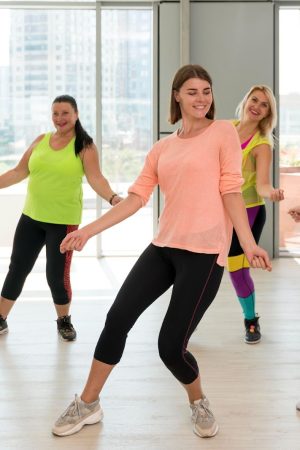
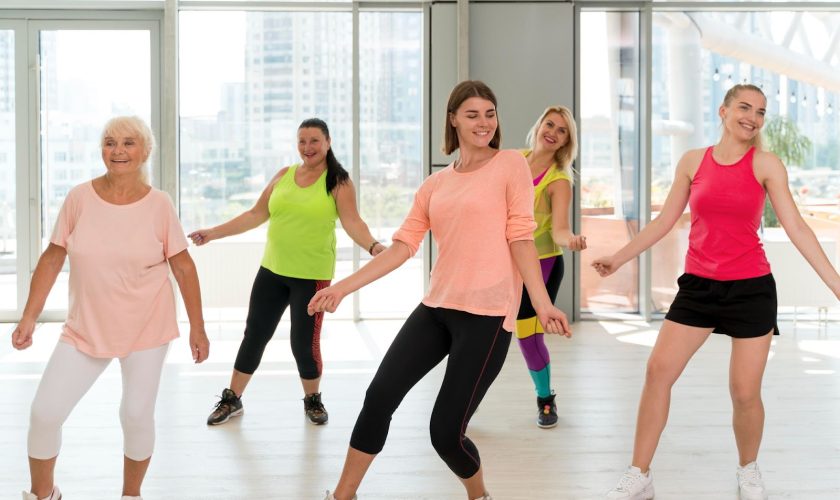
A standard Zumba class alternates between higher-intensity Latin dance sequences with larger movement amplitudes, faster tempos, and more complex choreography that elevates heart rate toward the upper end of the moderate-intensity zone, and lower-intensity recovery sequences with simpler choreography and smaller movement demands that allow partial cardiovascular recovery.
This natural alternation, driven by choreographic design rather than formal interval programming, produces an intensity profile that research has characterised as moderate-to-vigorous intermittent exercise. The repeated cardiovascular elevations and partial recoveries create a metabolic environment that produces meaningful post-exercise oxygen consumption elevation beyond what pure LISS creates, while the recovery sequences prevent the complete glycogen dependence that sustained very high-intensity exercise produces.
Fat Oxidation Over the Full Zumba Session
Research measuring respiratory exchange ratio, the ratio of carbon dioxide produced to oxygen consumed that indicates relative fat and carbohydrate substrate utilisation, during Zumba classes reports values that reflect a blend of fat and carbohydrate substrate use consistent with the moderate-intensity characterisation of the format. This substrate profile means that a Zumba session of sixty minutes produces meaningful absolute fat oxidation both during the session and in the elevated post-exercise period, contributing to a fat utilisation profile that is more comprehensive than equivalent duration LISS.
True Fitness Singapore’s Zumba programme provides instructors trained in intensity management that maximises the cardiovascular and metabolic benefits of the format’s natural interval structure. True Fitness Singapore delivers Zumba classes designed for genuine fitness outcomes alongside the social and enjoyment dimensions that make consistent attendance practically achievable.
FAQs
Q. – My fitness goal is primarily fat loss. Should I choose Zumba or a dedicated HIIT class at my Singapore gym?
Ans. – The format that produces the best fat loss outcomes for your specific situation is the one you attend most consistently over the longest period. If HIIT classes produce higher session-by-session caloric expenditure but you attend twice per week due to the recovery demands and intensity discomfort, while Zumba produces lower per-session expenditure but you attend four times per week due to genuine enjoyment, the Zumba attendance pattern produces greater cumulative weekly energy expenditure. Adherence is the dominant fat loss variable, and the format you actually attend consistently outperforms the theoretically superior format you attend infrequently.
Q. – Is it possible to increase the fat burning intensity of a Zumba class without disrupting other participants?
Ans. – Yes. Individual participants can increase their Zumba session intensity by maximising the range of motion of each movement, adding arm movements to lower body choreography, increasing the size of stepping patterns, and choosing the higher-impact version of choreographic sequences when low-impact options are demonstrated. These individual intensity amplifications increase personal caloric expenditure and cardiovascular demand without affecting other participants’ experience of the class. Discussing intensity amplification strategies with your instructor before class can provide specific guidance on which choreographic elements offer the most effective personal intensity increase options.
Q. – How does Zumba compare to swimming for fat utilisation in Singapore’s heat and humidity context?
Ans. – Swimming and Zumba produce broadly comparable metabolic demands at moderate participation intensity, with swimming having the advantage of full-body muscular engagement and the disadvantage of requiring pool access that most Singapore residential and commercial gym environments do not provide conveniently. The environmental consideration in Singapore is that Zumba in an air-conditioned studio avoids the additional thermoregulatory energy cost of outdoor exercise in heat and humidity, while producing the cardiovascular stimulus in a controlled environment that makes pacing and intensity management more predictable. Both formats are effective for fat utilisation when attended consistently at adequate intensity.
Q. – I have been attending Zumba for three months and no longer feel as physically challenged as I did initially. Has my fitness improved enough that Zumba is no longer effective?
Ans. – The reduced perceived exertion after three months of consistent Zumba attendance reflects genuine cardiovascular adaptation, which is a success indicator rather than a problem. Your aerobic system has become more efficient at meeting the demands of a standard Zumba class, which means you need a progressively greater stimulus to continue developing cardiovascular fitness. Options for progression include attending more intense Zumba sessions with higher-tempo choreography, adding a second cardiovascular format to your weekly training to provide a different stimulus, or increasing Zumba session frequency to maintain cumulative cardiovascular training volume as per-session perceived intensity declines.
Q. – Does Zumba’s fat utilisation benefit extend meaningfully beyond the session itself for Singapore gym members?
Ans. – Yes, through the post-exercise oxygen consumption elevation described in this article, which can persist for two to fourteen hours following a vigorous Zumba session depending on the intensity achieved and the individual’s fitness level. Additionally, regular Zumba participation produces cardiovascular adaptations including improved mitochondrial density in working muscles and enhanced fat oxidation enzyme activity that increase the rate of fat oxidation at all exercise intensities, including daily non-exercise activity. These adaptations develop progressively over months of consistent attendance and represent a genuine metabolic benefit that extends well beyond the sessions themselves.