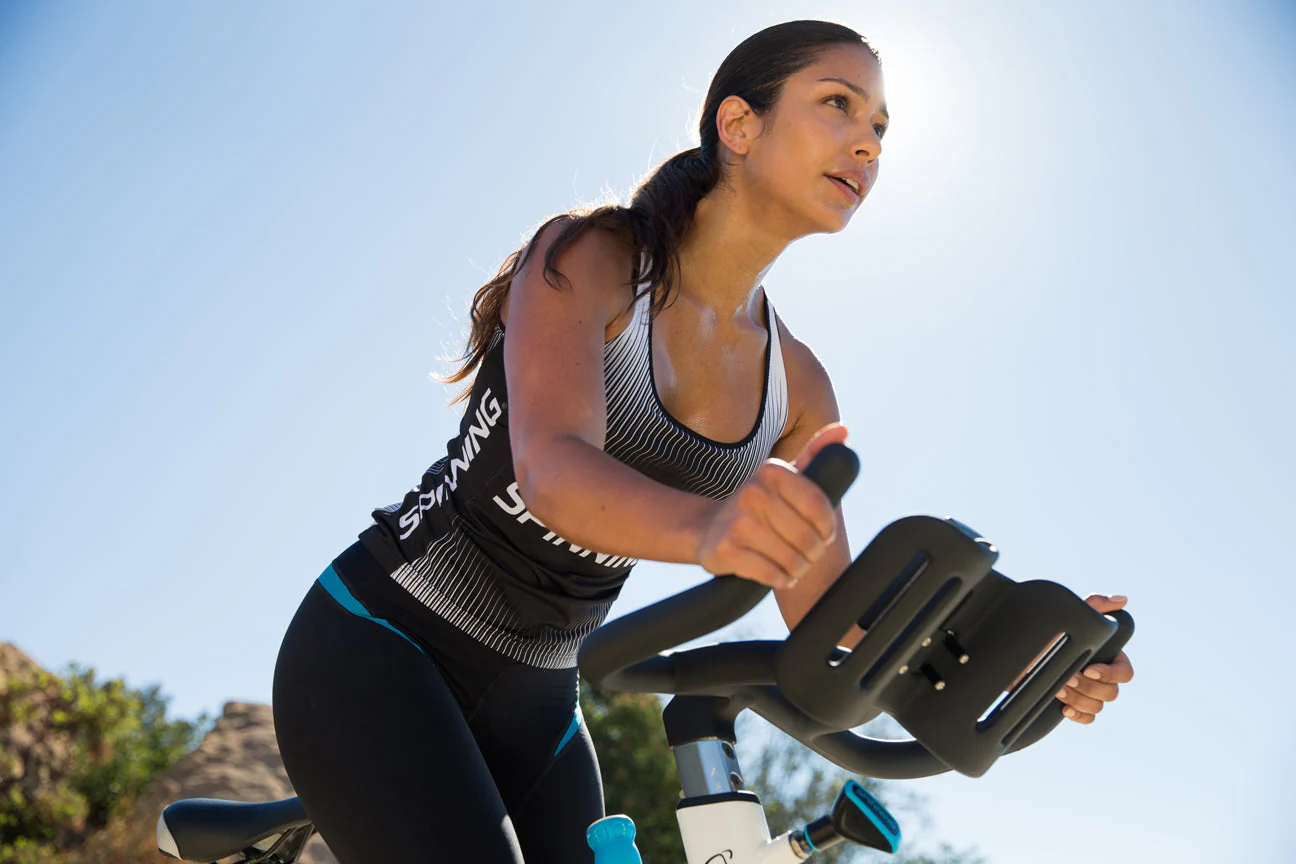
A spin class without skilled instructor cueing is simply a room full of people on stationary bikes with music playing. The instructor’s voice is the primary tool through which a group training session is transformed from an individual effort into a coached, structured experience that produces specific physiological adaptations. Yet the quality of cueing varies enormously across Singapore’s fitness landscape, and members who understand what good cueing sounds like are far better positioned to evaluate and benefit from the studios they choose.
The best spin studio Singapore experiences are distinguished as much by the quality of verbal instruction as by the quality of the equipment. These two variables are inseparable in determining what a member actually gets from a session.
What Cueing Actually Is
Cueing in a fitness context refers to verbal or visual instructions that guide movement, effort, or focus during a training session. In spin specifically, cueing operates across several dimensions simultaneously:
- Technical cues that guide rider position, pedalling mechanics, and resistance management
- Intensity cues that communicate the target effort level for each session segment
- Motivational cues that maintain engagement and push effort during demanding segments
- Safety cues that correct dangerous patterns or prevent injury in real time
- Educational cues that explain the physiological purpose of what is being done
Excellent instructors deploy all five types of cueing purposefully throughout a session. Weaker instructors rely primarily on motivational cueing, which is the easiest to deliver but the least specifically useful for producing training outcomes.
Technical Cueing and Its Effect on Performance
Technical cues are the most directly performance-relevant type of instruction in a spin class. They address the mechanics of how force is applied to the pedals, how the rider’s body position is managed, and how resistance and cadence interact.
Common technical cues that improve performance include:
- Pedalling in circles rather than pushing down: directing attention to the complete 360-degree pedal stroke rather than just the downstroke improves power application efficiency
- Relaxing the upper body and grip: tension in the hands, arms, and shoulders wastes energy that should be directed to the legs
- Hip position over the saddle: anterior pelvic tilt during climbing segments recruits the gluteal musculature more effectively, improving power output and reducing knee strain
- Heel position through the pedal stroke: maintaining a flat or slightly heel-down foot position through the bottom of the stroke protects the Achilles tendon and improves force transmission
These cues are specific, actionable, and immediately applicable. A member who receives and applies them correctly during a session gets meaningfully more from the same physical effort than one who rides without this guidance.
The Timing and Delivery of Effective Cues
The timing of cues is as important as their content. A cue delivered at the wrong moment, during a music build before an intensity peak, for example, will be heard but not acted upon because the rider’s attention is focused on managing the upcoming effort change.
Effective instructors position technical cues during easier effort segments when riders have the attentional bandwidth to process and apply new information. Motivational cues are reserved for the peaks where attention is consumed by physical demand and technical instruction is less processable.
Delivery volume and clarity matter too. An instructor who cannot project clearly above the studio audio system cannot cue effectively regardless of instruction quality. This is one reason why professional audio installation and instructor microphone quality are not incidental concerns but functional requirements of a quality spin environment.
The Problem With Generic Motivational Cueing
Generic motivational cueing, phrases like “push through,” “you’ve got this,” and “dig deep,” is the default of underprepared spin instruction. It requires no technical knowledge, no understanding of what the body is doing at any given moment in the session, and no ability to adapt to the specific group in the room.
While motivational language has a place in driving effort during maximum intensity segments, a session composed primarily of this type of cueing fails to provide the technical guidance and educational context that separates a coached session from a high-energy background music experience.
Members who have trained under genuinely skilled instructors describe the difference clearly: they leave a well-cued session understanding what they did and why, having corrected technical patterns they were previously unaware of, and feeling that they extracted the maximum physiological value from their time in the studio.
Individual Attention in a Group Setting
One of the marks of a skilled group fitness instructor is the ability to provide individual-specific coaching within a class of 15 or 20 participants. This means observing individual riders during the class, identifying specific technical or intensity management issues, and delivering targeted cues without disrupting the group flow.
This requires an instructor who is genuinely watching the room rather than performing to the front, who can identify the specific rider needing correction from a quick scan, and who can deliver a directed cue naturally within the session’s verbal flow.
FAQ
How can I tell within the first few minutes whether an instructor is highly skilled?
Listen to the specificity of the opening technical instructions during bike setup and warm-up. An instructor who provides precise fit guidance, explains why each adjustment matters, and observes rider position during the warm-up is demonstrating a coaching orientation from the start. An instructor who plays music and delivers primarily motivational language from minute one is revealing their cueing ceiling early.
Should I ask the instructor for personal feedback after class?
Absolutely. Most skilled instructors welcome post-class questions and feedback conversations. Asking what specific adjustments would improve your technique or output is a direct way to access individual coaching beyond what group cueing can deliver.
What should I do if an instructor’s cues are contradicting each other or seem technically incorrect?
It is entirely appropriate to ask for clarification after class. Frame the question as a genuine desire to understand: “I noticed you cued X and then Y, could you help me understand how those two things work together?” A skilled instructor will welcome the question. A defensive response is itself informative about coaching quality.
Is there a way to improve how I apply instructor cues if I am new to spin?
Focus on one or two technical cues per session rather than trying to apply all instruction simultaneously. Identify the cue that addresses your most significant current limitation, apply it deliberately throughout the session, and add additional focus areas as each adjustment becomes automatic.
TFX Singapore develops instructors with a focus on technical cueing quality and individual coaching awareness, ensuring that every class delivers the specific guidance that produces genuine performance improvement rather than simply an energetic group experience.