A healthy smile is built on more than the appearance of teeth. Beneath every confident expression is a complex biological structure involving bone, gums, connective tissues and carefully balanced forces that allow people to speak, chew and enjoy everyday life. When a tooth is lost, the consequences can extend beyond the visible gap. Changes in chewing function, neighbouring tooth positions and the underlying jawbone can gradually influence oral health.
Modern dentistry offers several ways to replace missing teeth, but dental implants have become an important option for patients seeking a stable, long-term solution. Unlike conventional removable replacements, implants are designed to integrate with the jawbone, creating a foundation for artificial teeth that closely replicate important aspects of natural tooth function.
Understanding dental implant treatment requires looking beyond the procedure itself. It involves appreciating biological science, the commitment to maintenance and the long-term benefits of preserving a functional, balanced smile.
The Biological Science Behind Dental Implants
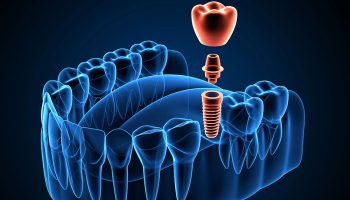
A dental implant is typically a small titanium or titanium-alloy fixture surgically placed into the jawbone to replace the root of a missing tooth. Some implant systems use other biocompatible materials, including zirconia.
One of the most remarkable aspects of implant dentistry is a biological process called osseointegration. This occurs when living bone forms a close structural connection with the implant surface, allowing the fixture to become securely supported within the jaw.
Following placement, healing takes time. The implant must integrate with the surrounding bone before it can reliably support the final restoration. Depending on individual circumstances, treatment may involve several months of healing, although some patients may be suitable for different loading protocols.
Once integration and clinical stability have been established, an abutment connects the implant to a crown, bridge or other prosthetic restoration.
This combination of biological integration and carefully engineered materials makes dental implants particularly interesting. Rather than simply filling the space left by a missing tooth, they create a foundation designed to function within the body’s existing oral structures.
How Missing Teeth Affect Long-Term Oral Health
To understand the value of replacing missing teeth, it is important to recognise what happens after tooth loss.
Natural tooth roots transmit forces into the surrounding jawbone during chewing. When a tooth disappears, the bone in that area no longer receives the same stimulation. Over time, this can contribute to a reduction in bone volume, particularly during the initial period following extraction.
Neighbouring teeth may also drift towards the empty space, potentially affecting alignment and the distribution of chewing forces. Depending on the location and number of missing teeth, patients may experience changes in bite function, speech or food choices.
Dental implants can help address several of these concerns by replacing the missing tooth root and supporting a functional restoration.
This is how dental implants improve long-term oral health: they can restore chewing function, help maintain the bone structure around the implant site and reduce the need to rely exclusively on neighbouring natural teeth for support, as may occur with certain conventional bridges.
Although implants can help limit bone changes at the treated site, they cannot completely prevent natural bone remodelling or guarantee that bone volume will remain unchanged. Their long-term success still depends on individual health, appropriate placement and consistent maintenance.
The Architecture of a Confident Smile
A smile is an intricate arrangement of biological structures and aesthetic relationships. The position of each tooth influences how the upper and lower jaws meet, how the lips frame an expression and how naturally a person speaks.
This is why successful implant treatment involves much more than selecting an artificial tooth that resembles the original.
Dental professionals must consider several factors, including available bone volume, gum condition, bite alignment, neighbouring teeth and the final restoration’s shape. In the visible front region, particular attention may be given to gum contours, tooth proportions and the relationship between the restoration and surrounding natural teeth.
In this sense, implant dentistry is closely connected to the architecture of a confident smile. Every component must work together, from the implant’s position within the bone to the appearance of the final crown.
Digital scans, three-dimensional imaging and computer-assisted treatment planning can help clinicians assess anatomical structures and determine appropriate implant positioning. In selected cases, guided implant surgery may improve the accuracy of transferring the treatment plan into the clinical procedure.
However, technology does not eliminate the need for professional judgement. Bone quality, healing capacity and individual anatomical differences remain central to treatment decisions.
The Commitment Behind a Long-Lasting Investment
One of the most appealing characteristics of dental implants is their potential for long-term service. Nevertheless, describing them as permanent replacements without qualification would be misleading.
The implant fixture may remain functional for many years, but the crown, bridge or other restoration can experience ordinary wear and may eventually require repair or replacement.
Long-term maintenance is therefore essential.
Patients should brush twice daily using fluoride toothpaste, clean carefully around the implant and use suitable interdental brushes or other recommended cleaning aids. Regular professional examinations allow dentists to monitor the condition of the surrounding gums, supporting bone and prosthetic components.
An important condition to understand is peri-implant disease. This involves inflammation around an implant and can progress to supporting bone loss if left untreated. Plaque accumulation, a history of periodontal disease, smoking and inadequate maintenance can increase the risk of complications.
Patients with a history of gum disease should receive appropriate periodontal assessment and ongoing monitoring before and after implant treatment.
Dental implants do not develop tooth decay because they are artificial, but the surrounding tissues remain vulnerable to inflammation and infection. Looking after them requires much of the same discipline as caring for natural teeth.
Who Is Suitable for Dental Implant Treatment?
Although dental implants offer considerable advantages, they are not automatically suitable for everyone.
A thorough assessment considers oral health, jawbone volume, gum condition, medical history, medications and lifestyle factors. Some patients may require additional procedures, such as bone grafting, before implant placement can proceed.
Conditions that affect healing, uncontrolled diabetes, smoking and active periodontal disease may influence treatment planning and outcomes. These factors do not necessarily rule out implant treatment, but they require careful evaluation.
Patients should also understand the financial and time commitments involved. Implant treatment may require multiple appointments, diagnostic procedures, surgery, healing periods and ongoing professional maintenance.
A personalised consultation helps establish realistic expectations and identify the most appropriate replacement option.
A Healthier Future Begins with Informed Decisions
Dental implant treatment represents an important achievement in modern restorative dentistry because it combines biological science, precision engineering and individualised clinical care.
Its greatest value, however, is not simply the ability to replace a missing tooth. It lies in restoring important aspects of everyday function while helping patients maintain a balanced and healthy oral environment.
A lifetime investment in oral health is ultimately measured through consistent care rather than the procedure alone. Dental implants can provide an effective, durable solution for suitable patients, but their success depends on thoughtful planning, healthy supporting tissues and a lasting commitment to maintenance.
A confident smile is not created by appearance alone. It is supported by strong foundations, healthy gums, functional teeth and the knowledge that every part of the mouth deserves attention. When patients understand this relationship, dental implant treatment becomes more than tooth replacement. It becomes a considered investment in the comfort, function and confidence of everyday life.