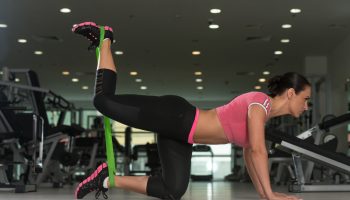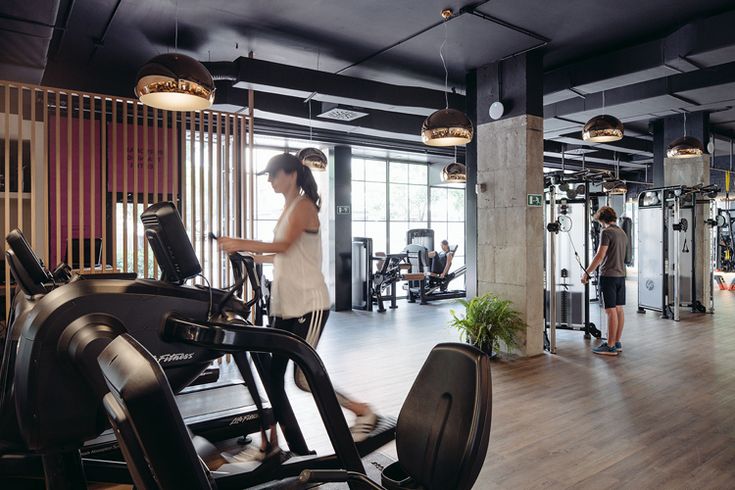
Stepping into a fitness facility today looks nothing like it did two decades ago. The fitness landscape used to be straightforward: you signed up at the local big-box facility, received a laminated keycard, and navigated aisles of identical selectorized machines on your own. Today, that conventional setup competes directly with neon-lit boutique studios that promise personalized coaching, tight-knit communities, and curated playlists designed to feel more like a nightclub than a workout space.
Yet, this shift comes with a staggering price gap. A standard commercial gym membership might run anywhere from $15 to $60 a month, while boutique fitness studios frequently charge $180 to $300 or more for unlimited access. Deciding which option justifies the investment comes down to how you train, what drives your consistency, and whether you are paying for actual utility or clever lifestyle branding.
The Commercial Gym: Maximum Variety and Unmatched Flexibility
Commercial gyms represent the workhorse of the industry. Brands like LA Fitness, Crunch, Lifetime, and Planet Fitness operate on high volume and extensive floor plans. Their core appeal lies in sheer square footage and self-directed autonomy.
What Makes Commercial Gyms Worth the Money
The primary advantage of a commercial gym is comprehensive equipment access. If your routine calls for heavy barbell work, cable crossover stations, specialized resistance machines, and twenty yards of turf, a commercial gym is often the only place where all of those tools exist under a single roof.
Beyond hardware, they offer complete scheduling freedom. You are never tied to a 6:00 AM class slot that penalizes you with a $15 late-cancellation fee if your alarm fails. You show up when your schedule permits, rest as long as you need between sets, and stay for forty minutes or two hours without anyone pushing you toward the exit. For self-motivated lifters, powerlifters, bodybuilders, and anyone working through a bespoke program, this independence is indispensable.
Where Commercial Gyms Fall Short
The business model of most big-box gyms relies on breakage, meaning they depend on selling thousands of memberships to people who rarely walk through the door. Because overhead is subsidized by ghost members, active facilities can become overcrowded during peak morning and evening hours. Waiting ten minutes for a squat rack or finding dumbbells scattered haphazardly across the turf is a standard reality of commercial training.
Furthermore, accountability is entirely your responsibility. The front-desk attendant will scan your badge, but no one will check in if you disappear for three weeks. If you struggle with exercise selection, form correction, or internal motivation, the vast open floor can easily feel aimless and overwhelming.
The Boutique Studio: Precision Programming and Built-In Drive
Boutique studios operate on the opposite philosophy. Instead of being an open playground with hundreds of options, a boutique space specializes in one specific training modality. Whether it is indoor cycling, high-intensity interval training, classical Pilates, or coached strength circuits, these studios strip away guesswork in exchange for a highly curated experience.
Why People Happily Pay Boutique Prices
The real product sold by boutique fitness is not just the workout itself, but outsourced mental energy. In a boutique setting, you do not design a split, count reps, select weights, or calculate rest intervals. You reserve a spot, show up, and follow instructions from a coach trained to keep the room engaged from warm-up to cool-down.
This structure drives consistency for individuals who find conventional gyms tedious. The presence of instructors, structured class times, and regular peers introduces an external social contract. When a coach learns your name and notices your absence, skipping a session carries a psychological cost that simply does not exist at a large health club.
The environment also matters. From high-end acoustic design and specialized lighting to pristine shower suites stocked with premium toiletries, boutique studios eliminate the grimy, utilitarian friction often associated with legacy gyms.
The Downside of Specialization
The most glaring limitation of the boutique model is structural restriction. If a studio focuses on spin or barre, you develop specific cardiovascular or muscular endurance, but you sacrifice raw strength development, sprint mechanics, and cross-planar athleticism.
Cost is another friction point that compounds quickly. If you want to supplement your cycle classes with heavy barbell lifting, you end up paying for a boutique membership on top of a baseline gym pass. Additionally, aggressive cancellation policies turn ordinary scheduling hiccups into unexpected financial penalties.
Comparing the True Costs and Return on Investment
Evaluating whether a membership is worth the investment requires looking past the monthly sticker price and calculating the cost per actual visit.
A $30-per-month commercial membership seems economical on paper, but if you only go twice a month due to a lack of direction or dread of crowds, you are effectively paying $15 per session. Conversely, an unlimited boutique membership priced at $200 per month yields a reasonable $12.50 per visit if you attend four times every week. An unused cheap membership is wasted money, whereas an expensive membership that drives relentless attendance represents functional value.
The return on investment also involves time efficiency. A class that starts promptly at 7:00 AM and concludes at 7:50 AM with zero equipment downtime lets busy professionals organize their workday with predictability. In contrast, navigating a packed commercial gym at 5:30 PM can easily turn a scheduled 45-minute lift into an inefficient 90-minute ordeal.
How to Choose the Right Setup for Your Goals
Your selection should align with your psychological profile as an athlete just as much as your personal budget.
Choose a commercial gym if you already know how to periodize your training, prefer lifting heavy free weights, need flexible hours, or enjoy working out in your own mental zone with headphones on. It is the superior platform for structured, long-term athletic independence.
Choose a boutique studio if you struggle with self-discipline, thrive on collective group energy, value premium amenities, and prefer to follow instructions rather than devise your own routines.
Many experienced fitness enthusiasts eventually settle on a hybrid strategy: maintaining an affordable low-cost tier at a reliable commercial gym for solitary strength work, while purchasing a limited five-pack or ten-pack class pass at a boutique studio to inject periodic intensity and variety into their routine.
The right fitness membership is never the one with the flashiest marketing or the lowest advertised rate. It is simply the environment that removes the most psychological resistance between you and regular physical exertion.